We use cookies to improve your experience on our site. By using our site, you consent to cookies. For more information, please visit our Cookie Policy.
★★★★★Rated 5 out of 5
We had a great experience with Roof Rescue. Chase was easy to work with from start to finish. They completed our job in one day and cleanup was great.
Slaughter, LA
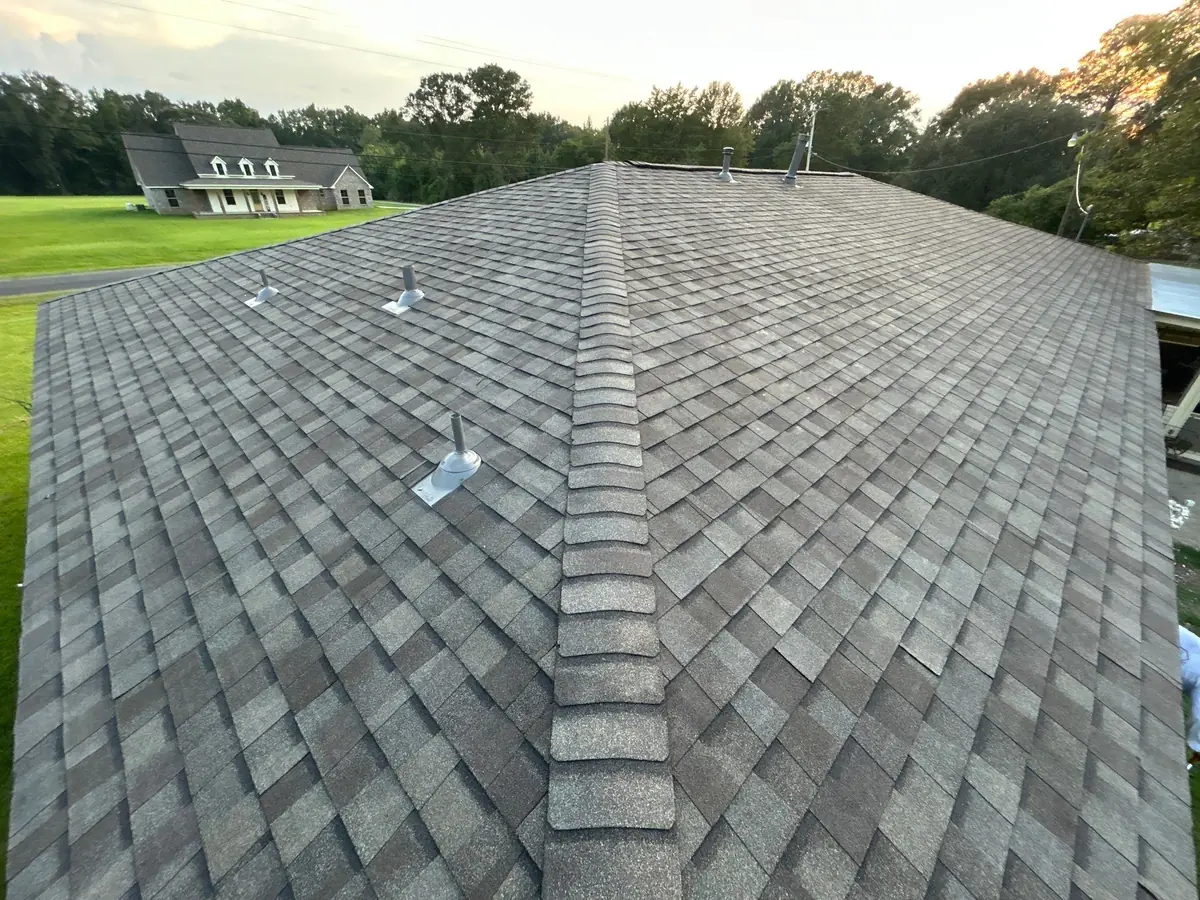
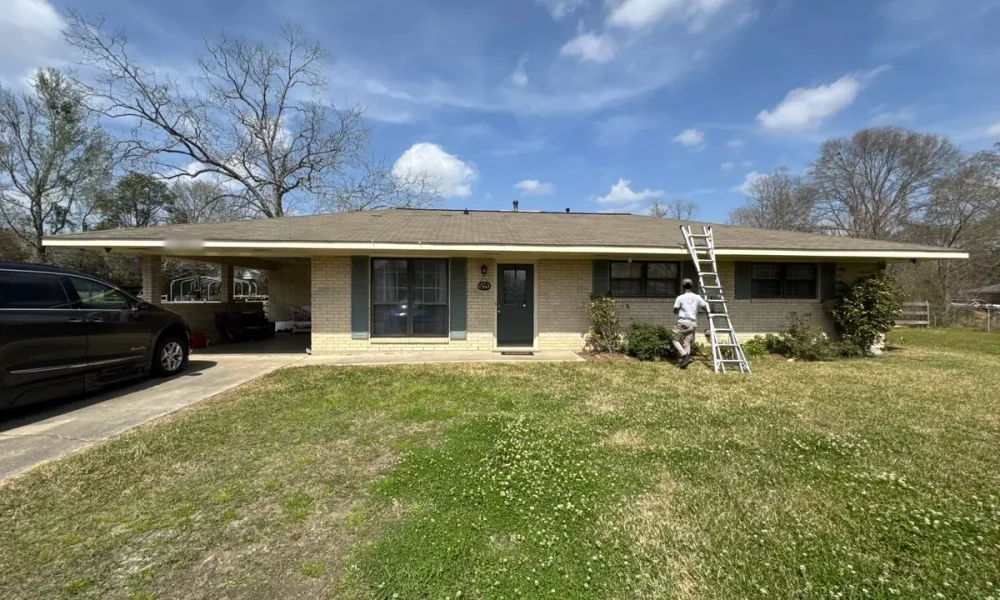
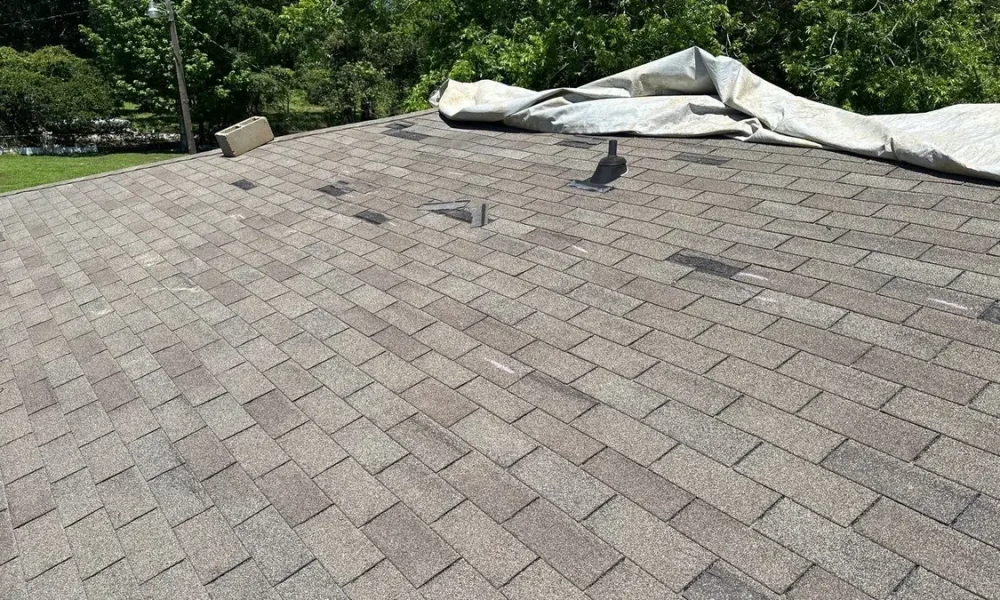
This Slaughter, Louisiana ranch home followed a familiar storm-damage path. A storm came through, the roof started letting water in, and a tarp went over the worst of it until the roof could be replaced. Tarps buy time. They do not fix anything, and they do not last through another Louisiana summer.
Roof Rescue got on the roof and documented it properly. That means walking the slopes, marking the wind-damaged shingles, and laying out test squares so the damage is measured rather than guessed at.
The tear-off is where this job stopped being routine. Under the top layer of three-tab shingles sat three more layers of roofing, about 24 squares each. Four layers in total came off a roof measuring roughly 28 squares.
That is a lot of dead weight sitting on a structure engineered for one layer, and it is why every previous ‘repair’ on this roof was really just another cover-up. Each layer hid the condition of the one beneath it, and none of them fixed the deck. Layering is cheaper on the day and it is exactly how a roof arrives at four layers and a leak.
It also has to be priced honestly when it turns up. Extra layer removal is charged by the square because it is real labour and real disposal, and finding it mid-tear-off is not a reason to renegotiate a job halfway through.
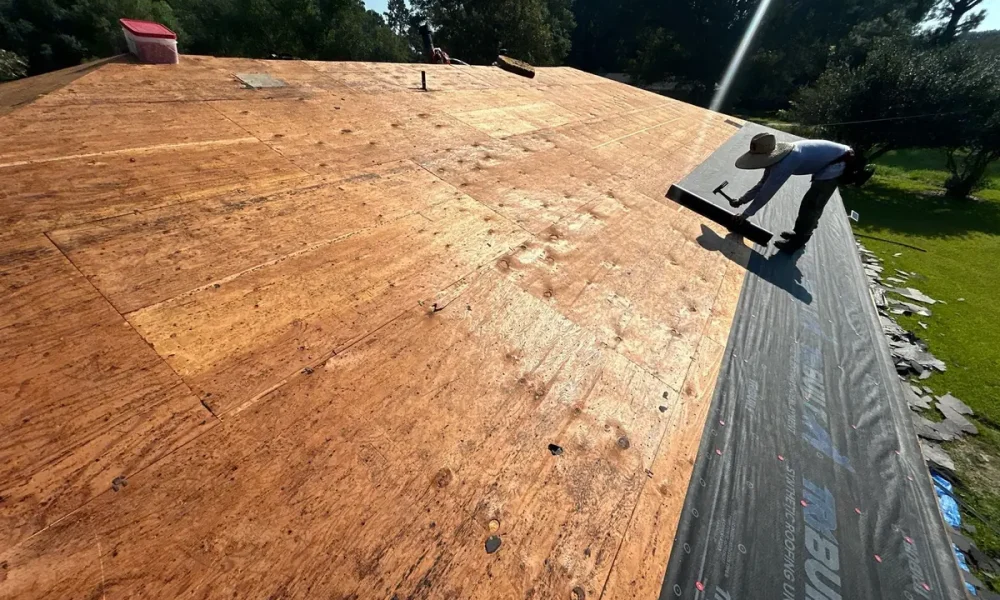
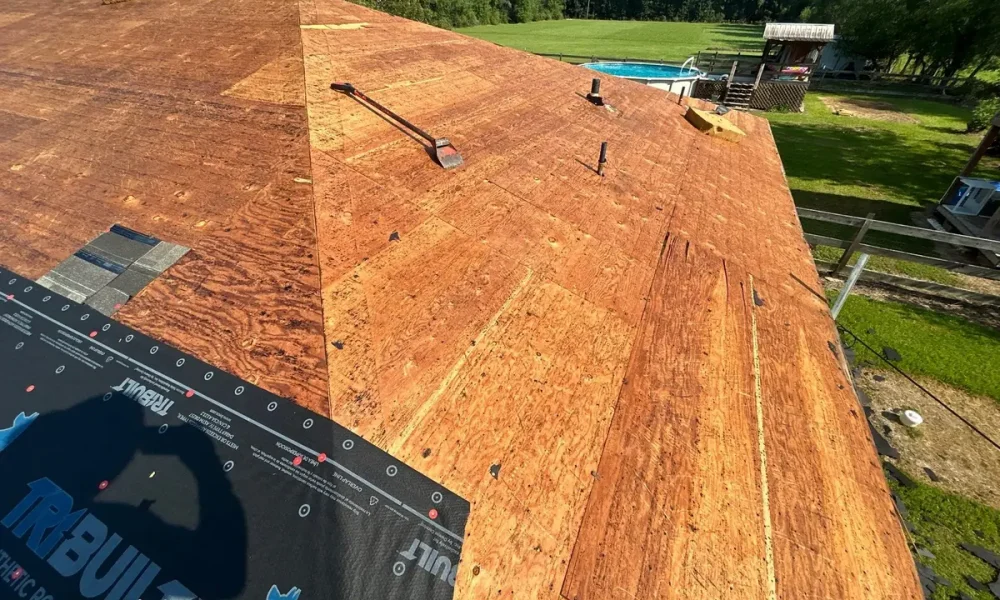
When the replacement started, the crew stripped the roof to bare plywood rather than laying new shingles over the old ones. That is the only way to see what the decking is actually doing.
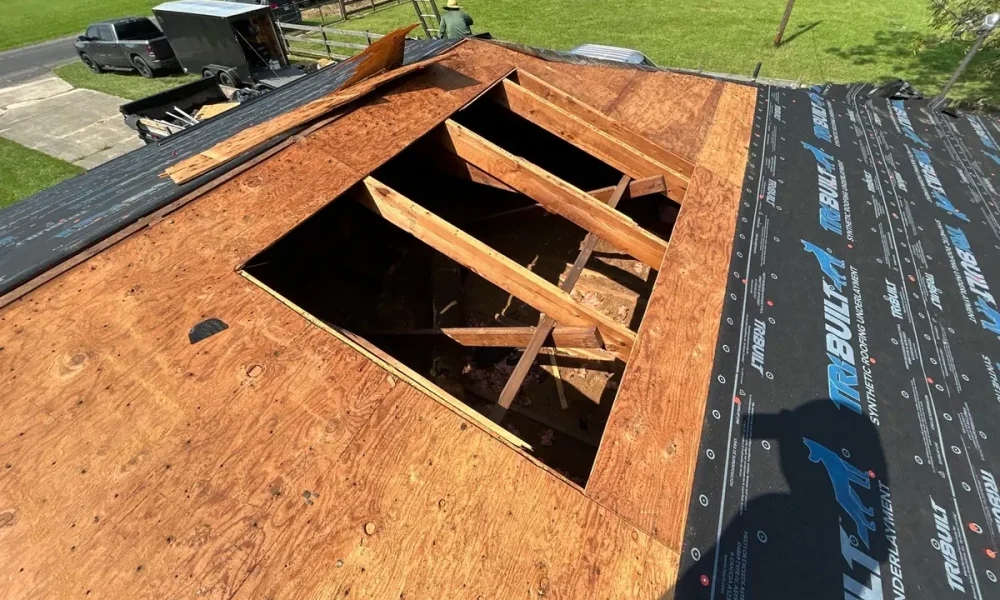
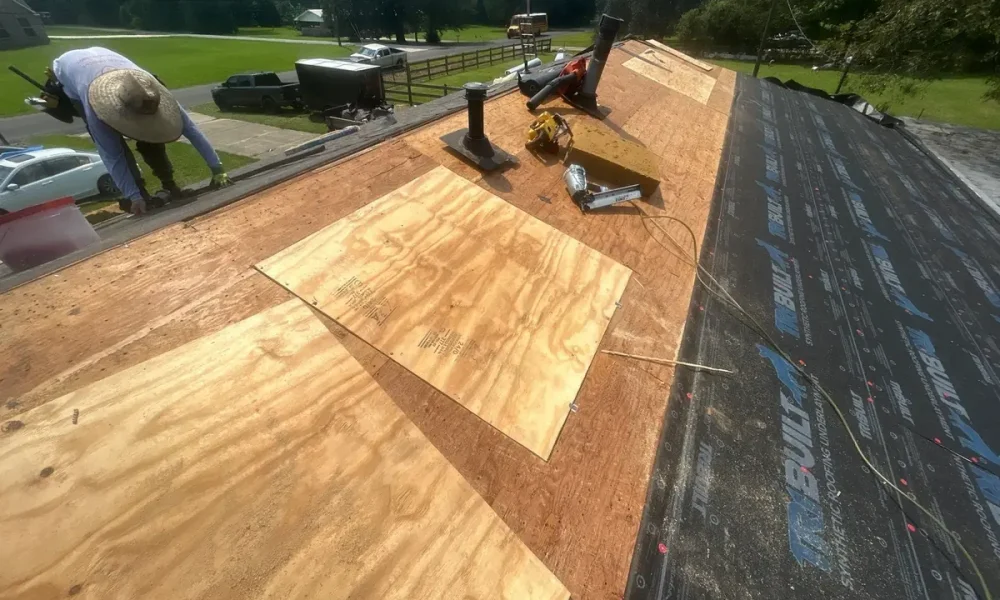
On this roof it mattered. Five sheets of decking had gone soft and had to come out. The crew cut back to solid framing, exposed the rafters, and set new plywood in their place. A shingle is only as good as what it is nailed to, and covering up bad decking is how a brand new roof turns into a callback.
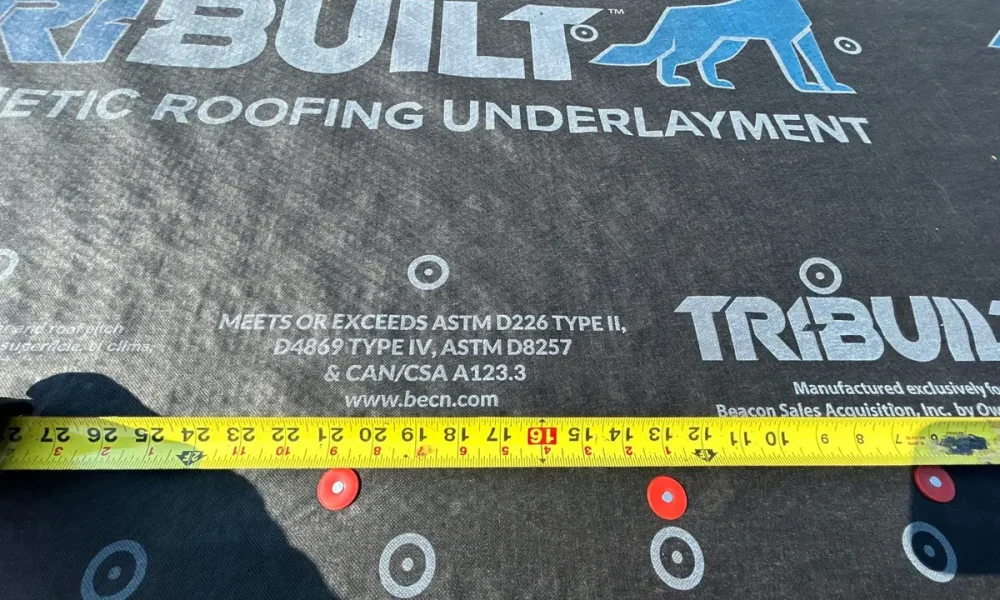
The deck went under TriBuilt synthetic roofing underlayment, which meets or exceeds ASTM D226 Type II, D4869 Type IV and ASTM D8257. Synthetic sheds water better than felt, it does not wrinkle when it gets wet, and it holds up to being walked on during a hot install.
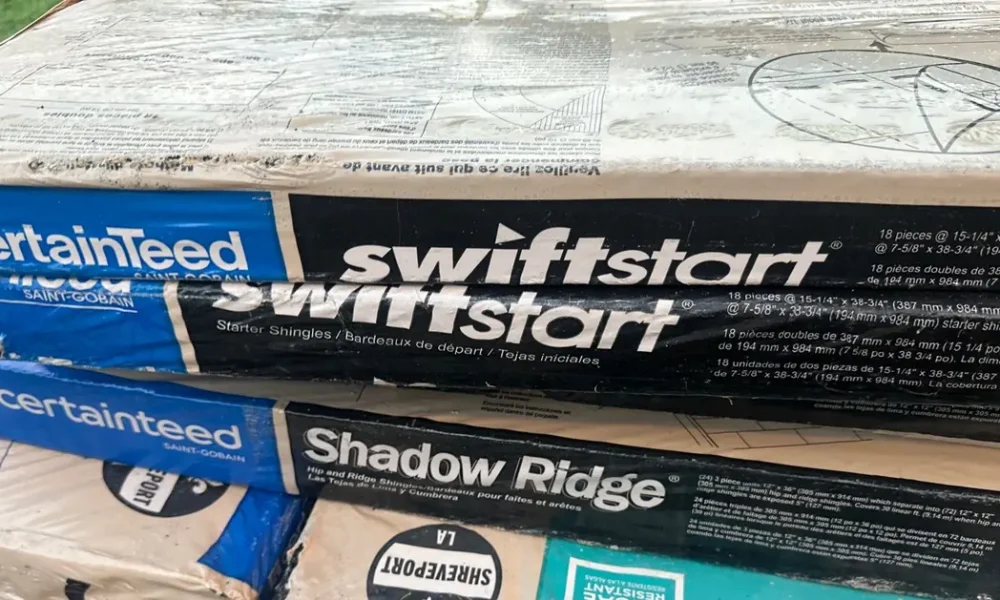
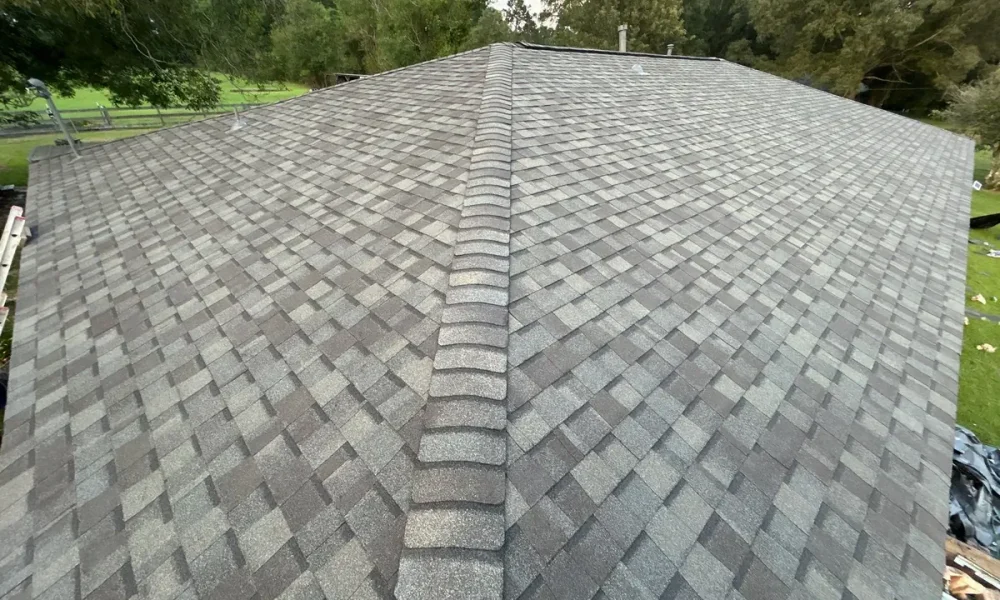
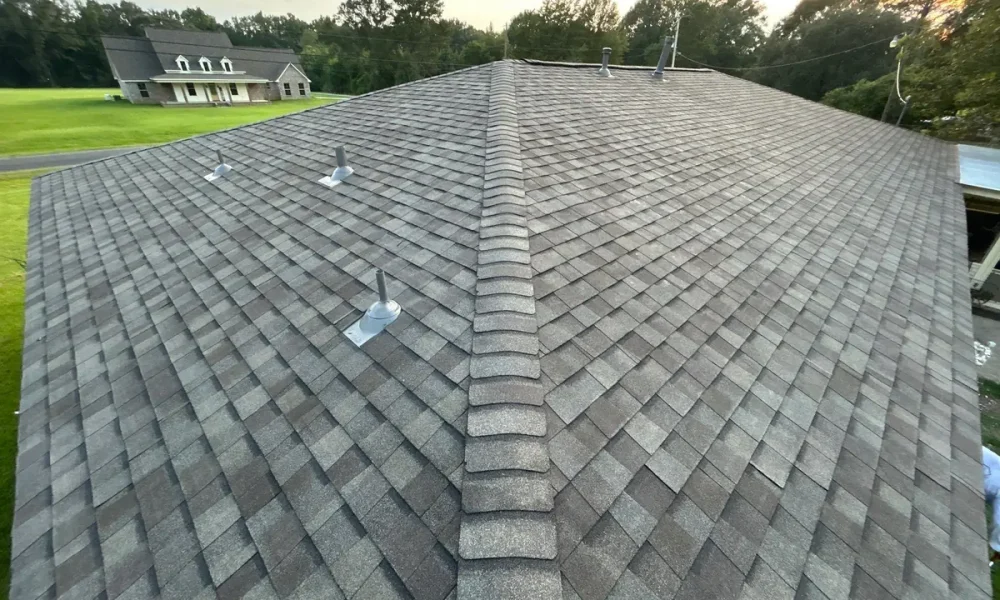
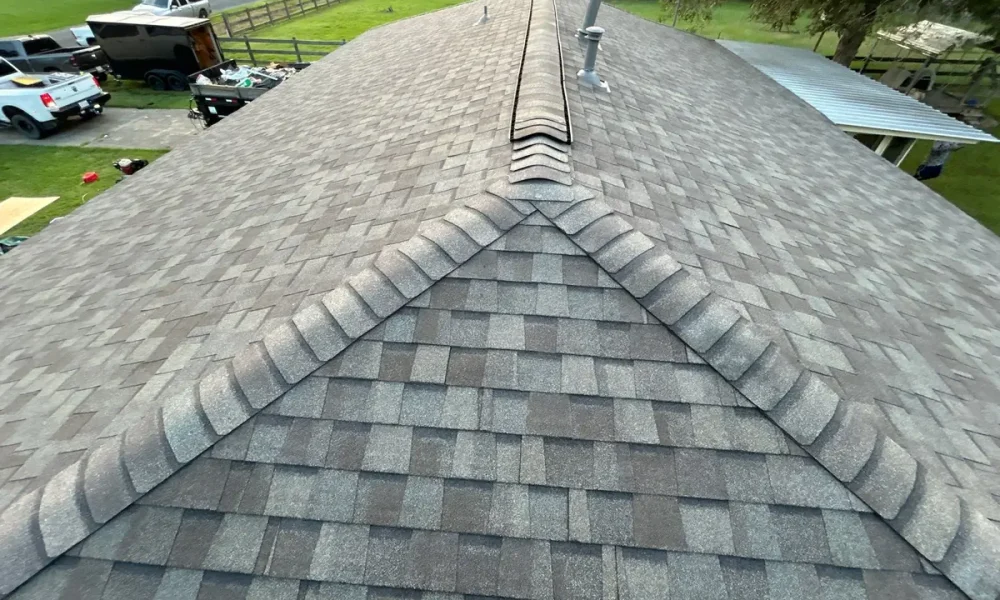
The roof was finished in CertainTeed Landmark AR architectural shingles in Weathered Wood, with CertainTeed SwiftStart starter shingles along the eaves and CertainTeed Shadow Ridge AR hip and ridge cap along the peaks. The AR designation is algae resistant, which is worth having in a climate that stays warm and damp most of the year.
Materials were staged on the ground before seven in the morning and the roof was complete by the end of the same day. A one-day turnaround is only possible when the material is on site first and the crew is not waiting on a delivery halfway through a tear-off, with an open roof and Louisiana weather overhead.
If a storm has damaged your roof, we photograph and document it as part of a free roof inspection, and we handle storm damage repair across the Slaughter area.